About this talk
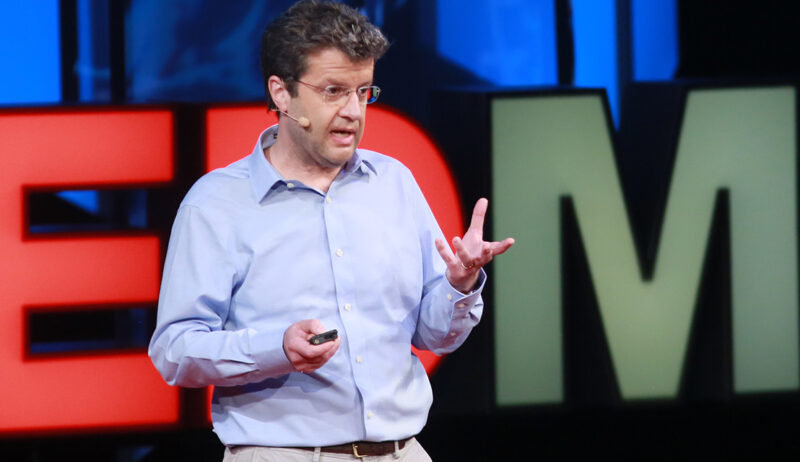
In his 2014 TEDMED Talk, Daniel Webster argued that gun violence should be understood not only through isolated incidents, but as a preventable public health issue shaped by policy, access, and systems.
In this TEDMED In Context, we revisit Daniel’s Talk with a broader evidence base. Since his Talk, research has continued to clarify how firearm outcomes vary across policy environments, why prevention requires looking beyond the most visible forms of violence, and how suicide accounts for a major share of firearm deaths in the United States. Together, these findings sharpen the original idea: firearm violence is not random or fixed. It reflects patterns that can be studied, understood, and influenced.
Revisiting Daniel’s Talk today offers a steadier framework for thinking about evidence, prevention, and the systems that shape mortality.
About Daniel Webster
See more
About Daniel
Dr. Daniel Webster is one of the United States’ most respected and influential experts on the prevention of gun violence. As a Professor of Health Policy and Management and the founding Director of the Johns Hopkins Center for Gun Policy and Research, he approaches the issue of gun violence as a major public health crisis that can be solved through research and informed policies. Daniel and his team conduct extensive research to understand who is most at risk and how laws affect violence rates. His work is strictly non-political, focusing on gathering scientific evidence to help inform policymakers and the public. His research covers key areas such as youth gun acquisition, strategies for preventing violence among young people, and how to protect victims of intimate partner violence. He played a critical role in bringing together leading scholars for the book, Reducing Gun Violence in America: Informing Policy with Evidence and Analysis. This book was a direct response to tragic events, showing his commitment to using data to create safer communities. Through his leadership, published articles, and testimony, Daniel has become a vital national voice, ensuring that the development of sensible firearm policies is based on facts and data, rather than just emotion or opinion.