
About this Conversation
A test result can describe what is happening in the body. A pain scale can assign a number. A medical chart can document a diagnosis. But none of them necessarily capture what it feels like to live through illness.
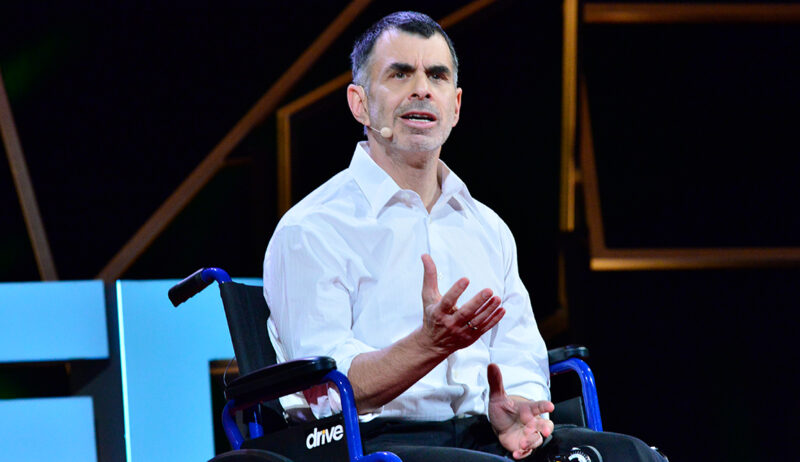
Artist and patient advocate Ted Meyer has spent decades exploring what becomes visible when patients are given another way to tell their stories. As Artist-in-Residence at the Keck School of Medicine of USC, Meyer curates exhibitions of patient-created art that connect directly with the medical curriculum, giving future clinicians a window into experiences that may never appear in a chart.
In this TEDMED Conversation with Executive Director Lindsey Lynch, Ted shares works by artists Ashley Bravin, Lydia Emily, and J. Fredric May, whose images make visible experiences ranging from isolation and chronic pain to the altered perception that can follow a stroke.
Their work raises a larger question about what it means to truly see a patient. If an eight on a pain scale cannot communicate the experience of pain, what else might clinicians need to understand? If hospitals make room for art that comforts but hesitate to display art that depicts scars, fear, disability, or illness, whose experience is the space designed to reflect?
Ted also discusses his Scarred for Life project, which creates monoprints from the scars of people who have experienced major illness, surgery, injury, and trauma. For Meyer, these works are not simply records of what happened to a body. They are stories of survival, identity, and the lives people build afterward.
Together, Ted and Lindsey consider what could change if patient narrative were treated not as an addition to medical care, but as another form of information clinicians need in order to understand the whole person in front of them.
About Ted Meyer
See more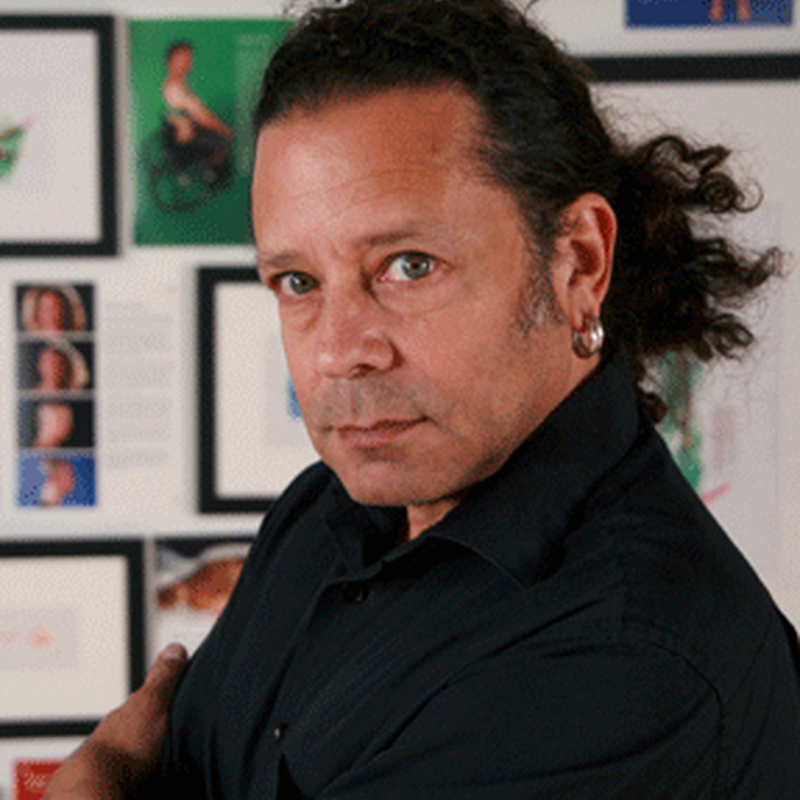
About Ted
Ted Meyer is a well-known artist, curator, and patient advocate who uses his personal health journey to inspire others. Born with Gaucher disease, a rare genetic disorder, he has used his own experiences to create powerful art that helps people see the positive side of difficult health challenges. For over two decades, his main project has been “Scarred for Life: Mono-prints of Human Scars”. In this series, Ted creates detailed prints of people’s scars, which tell stories of their survival through accidents, surgeries, and serious illnesses. His work highlights not just the physical marks, but the emotional courage and resilience of those who have faced trauma. His art has been displayed in galleries and medical schools around the world, making a strong statement about the beauty of human resilience. Ted is also a dedicated educator. As the former Artist in Residence at the USC Keck School of Medicine, he created exhibitions of art by patients. These exhibitions were designed to help future doctors understand their patients as whole people, with rich lives and complex stories beyond their medical charts. His work teaches doctors empathy and helps patients feel seen and heard, showing how art can be a powerful tool in medicine.
About Lindsey Lynch
See more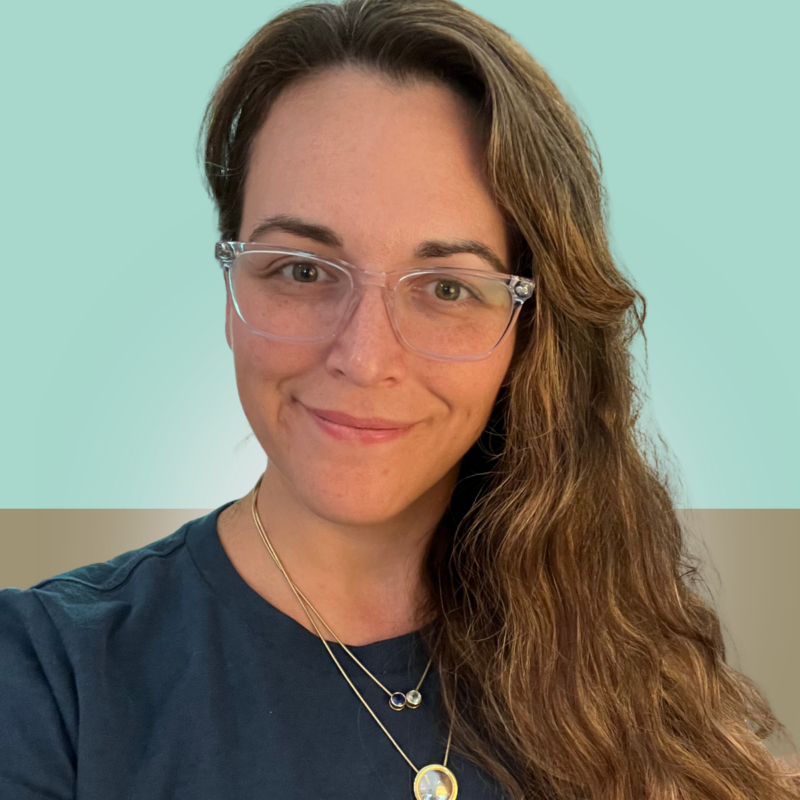
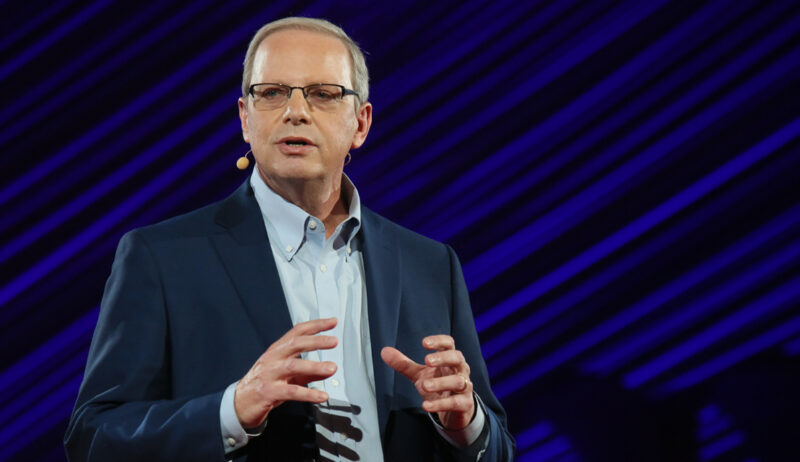
Lindsey Lynch is Executive Director of TEDMED, where she is leading the organization’s evolution into a digital media platform built to help more people engage with the ideas shaping health and medicine.
Her career has consistently centered on systems, access, and the question of how institutions can better serve people. A graduate of Cornell University, Lindsey began her career in education as a teacher and school leader before moving into organizational strategy, program management, and health. Her experience has included leadership roles with TEDMED and ApiJect Systems, spanning healthcare innovation, access, and organizational transformation.
At TEDMED, Lindsey is focused on building a modern media organization that connects audiences with the people, evidence, debates, and ideas influencing the future of health. That work is deeply personal as well as professional: health and medicine touch every one of us, and we all depend on these systems being transparent, trustworthy, and successful.
Through original programming, conversations, and TEDMED’s extensive archive, Lindsey is working to make complex ideas more accessible, bring more voices into the conversation, and help audiences better understand not only what is changing in health and medicine, but why it matters.