
Skip to content

What is health for?

Listen On

Apple Podcasts

Spotify

About TEDMED Now

When A.J. Jacobs set out to become the healthiest person alive, he expected to learn about nutrition, exercise, sleep, and longevity. Instead, his experiment uncovered a deeper question: What happens when the pursuit of health becomes another source of stress?

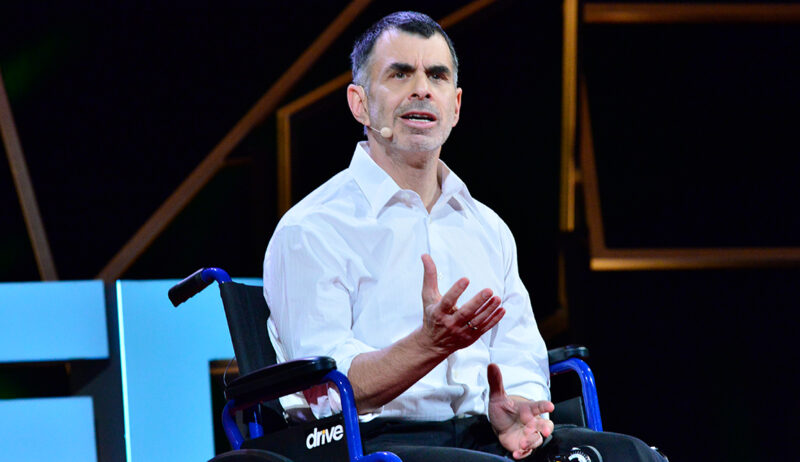
In this episode of TEDMED Now, Kelly Thomas revisits Jacobs’ TEDMED Talk to explore what his yearlong quest reveals about burnout, recovery, and whole-person health. Through science and story, the episode reframes resilience not as endless endurance or self-optimization, but as the capacity to recover, reconnect, and fully inhabit life. Joy is not a reward for health. It may be one of the ways health becomes sustainable.

About A.J. Jacobs

See more
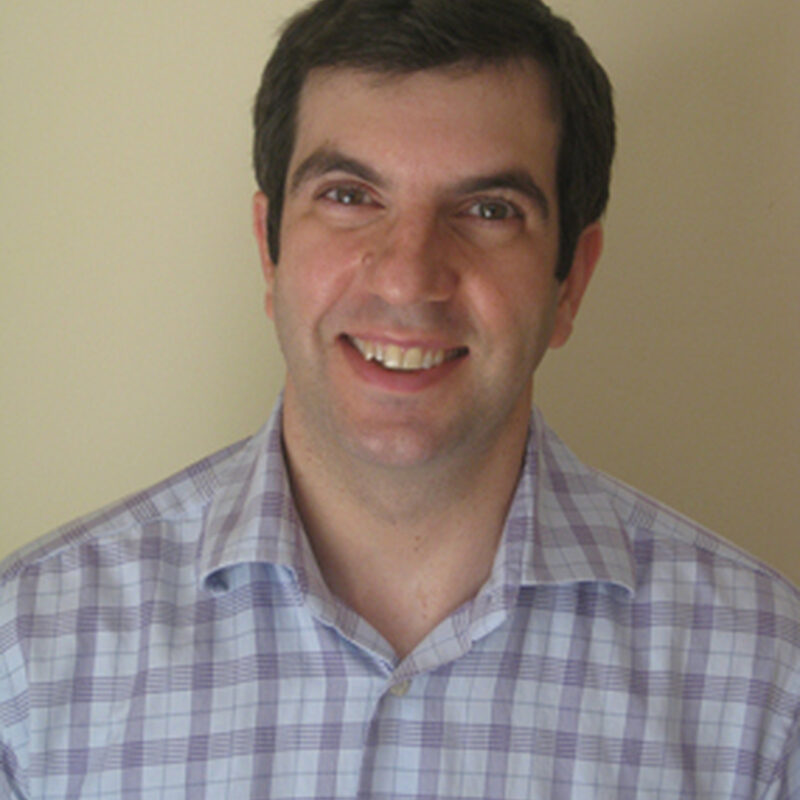
AJ Jacobs is an author, philosopher, prankster and journalist. He has written three New York Times bestsellers: The Year of Living Biblically, The Know-It-All and The Guinea Pig Diaries. His upcoming book is titled The Healthiest Person Alive, and is about his attempt to be, well, the healthiest person alive. He has changed everything from his diet to his attitude to his behavior to the type of shoes he wears.

About Kelly Thomas

See more

Kelly Thomas, PhD is Director of Scientific Content at TEDMED, where she curates and translates breakthrough ideas at the intersection of science, medicine, and human potential. Her work focuses on making complex research clear, accurate, and meaningful — connecting rigorous evidence to the realities of everyday life.

With a background spanning biomedical engineering, structural biology, oncology, and the biology of the stem-cell niche in acute myeloid leukemia, Kelly has written across formats ranging from peer-reviewed research and grant proposals to health and wellness journalism. Throughout her career, she has been driven by a central question: how do we translate the best of science into longer, healthier, more meaningful lives?

At TEDMED, she leads the development of conversations and experiences designed to surface nuance, challenge assumptions, and make emerging science accessible without oversimplifying it. As one of the hosts of TEDMED Conversations, she explores topics including resilience, mental health, technology’s impact on youth, and the future of care.

A lifelong athlete and high-performance competitor, Kelly brings a particular interest in the neuroscience of resilience and behavior change — and how science can inform the way we live, train, recover, and grow.
Is so important to your health.

AJ Jacobs opens the door to a bigger truth: that health is not only built through exercise, sleep, nutrition or the habits we track. It’s also built through joy, pleasure and the relationships that help us feel supported and connected.

Positive emotions like joy can help broaden attention, support coping and build psychological resources over time.

Joy and connection aren’t just nice feelings, they are part of what helps make health and resilience sustainable.

This season we’ve been asking what resilience really means. We’ve looked at endurance, pressure and curiosity. In this episode, AJ Jacobs brings us to something just as essential: recovery. And more specifically, the role of joy in resilience.

Resilience is not only the ability to endure. It’s also the ability to come back to ourselves.

To connect with people we love, to feel pleasure, to laugh, and to remember that health is not only about living longer or performing better.

It’s also about being able to fully inhabit the life we have.

You’re listening to TEDMED NOW. Where science and story inspire curiosity. I’m your host, Kelly Thomas.

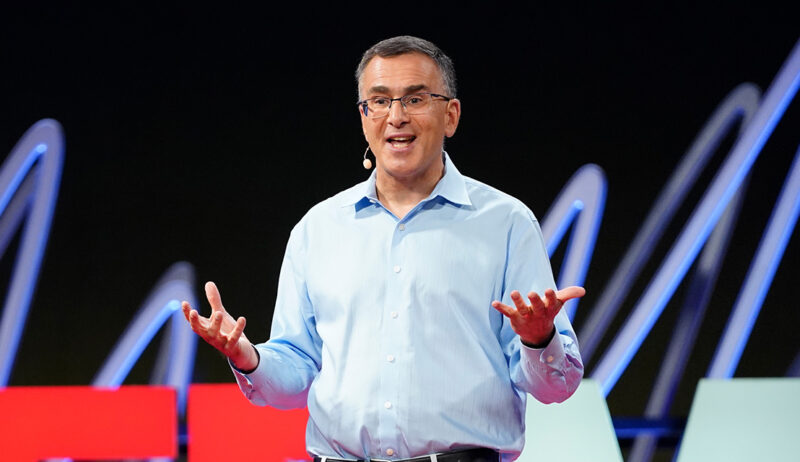
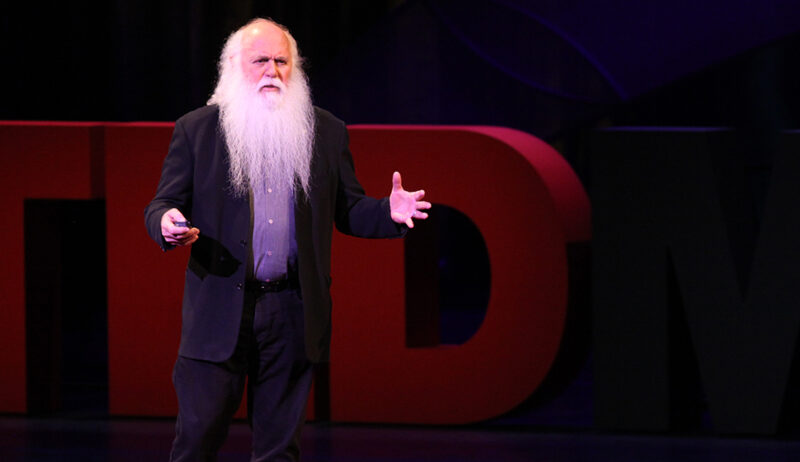
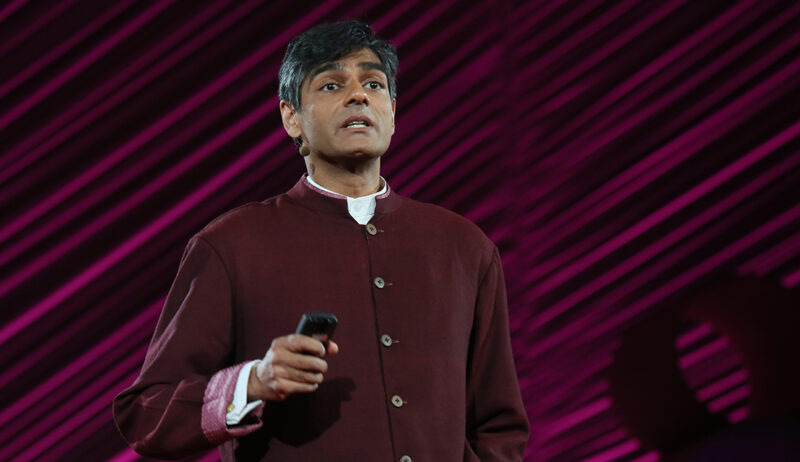
In his TEDMED talk, Jacobs takes us inside one of his signature personal experiments. He asks what would happen if he tried to become the healthiest person alive.

Over the course of a year, he tracks and tests. He changes what he eats, how he moves, how he thinks and how he lives.

At first, it sounds like a comedy about wellness taken too far.

By the end, the question becomes much deeper.

What is hea for if the pursuit of it leaves us disconnected from joy, pleasure, friends and family?

Today, we’re exploring what Jacob’s experiment reveals about burnout, recovery and whole person health and why joy may be one of the most overlooked ingredients in resilience.

Being healthy is not just the absence of disease. It also depends on the nervous system’s capacity for restoration, the brain’s capacity for reward and positive emotion, the body’s capacity to recover, and the human need for connection, meaning, pleasure and joy.

So the question today is not simply How do we become healthier? Let’s focus on this instead. How do we care for our health in a way that restores joy, deepens connection and builds the resilience we need to keep going?

Health is not one magic fix. It’s a delicate balance between evidence and behavior, effort and recovery, discipline and joy, control and acceptance.

When AJ Jacobs took the TEDMED stage, he shared his year long journey in search of something both tempting and impossible: perfect health.

I wanted to focus on the body and try to be the healthiest person.

Jacobs, who was in his forties at the time, described himself as out of shape and suddenly aware that he could not take health for granted after a scare with pneumonia.

He had already done big immersion experiments, taking on the mind and the spirit. Now he wanted to take on the body.

So what did Jacobs do? He turned his body into the testing ground. He assembled doctors, researchers, nutritionists and trainers. He made an epic list of habits and interventions to try, structuring the project like a tour through the body: heart, stomach, ears, brain, skin, sleep, digestion, exercise, diet and more.

The goal was sincere. He wanted to be healthier, understand what works and wanted to be around for his family.

The project was also a comedy. Because, I think for most of us, the modern health landscape can often feel almost impossible to navigate.

What is evidence? Hype? Useful? Or just noise? And since Jacobs tested his hypothesis, that question has become harder to answer.

Today, wellness has its own language: longevity, health span, cold plunges, sauna protocols, red light therapy, sleep scores, protein targets, Continuous Glucose Monitors HRV Tracking Zone two Cardio Gut Health Nervous System Regulation Microplastics Mouse taping Magnesium Electrolytes adaptogens Wearables that tell us we are ready for the day before we’ve even had a thought of our own.

I’m exhausted just listening to all the things we could be tracking. And to be clear, I understand the appeal. I am deeply invested in improving my health span and that of the people I love.

Health span is a worthy goal, because the point is not just to add more years to life, but to preserve the quality of those years.

Our ability to move well, think clearly, stay connected, feel strong, recover, participate, and enjoy the people and experiences that make life meaningful.

But even health span can become overwhelming when it gets translated into a never ending list of protocols, metrics, and rules.

Many of us know this tension. We want to make good choices to use the best evidence, to feel strong, energized and well. But the modern wellness landscape can make health feel like a constant sorting exercise: What should I track, avoid or add?

And the truth is, not every trend is designed for every body.

Every stage of life or every season of stress.

Health isn’t just about following the rule that is trending this year. It’s about listening carefully to evidence, yes, but also to our own body, stage of life, energy, relationships, and capacity to keep going without losing ourselves in the process.

Jacobs took that pressure to its logical extreme. He worked on exercise and cardiovascular fitness. He tried primal style workouts like throwing boulders and logs in Central Park.

He explored barefoot running, pole dancing and tried to increase daily movement by inserting exercise into everyday life wherever he could. To work on sitting less, he wrote a book while walking on a treadmill desk.

By the end, he had logged over one thousand miles.

He changed what he ate, trying portion control, raw food, paleo, more greens and superfoods like blueberries.

All the foods that seemed to whisper to us: You are making a responsible choice. He tested extremes like juice cleanses, caloric restriction, no sugar eating. Not because each one became a lifelong answer, but because he was trying to understand the difference between a healthy habit and a health fad.

He looked at sleep, noise, safety and environmental health. He even wore noise cancelling headphones at home after becoming worried about the effects of chronic noise.

He tracked his body obsessively his weight, waist size, exercise metrics, food choices and daily behaviors. And he trained toward a more athletic endpoint, including his first triathlon.

So yes, some of it worked. Health habits matter and the most powerful ones are not exotic or even necessarily expensive.

They are the basics we come back to time and again: movement, sleep, nutrition and social connection.

The evidence is strong that regular physical activity supports health span.

In a large analysis of fifteen international studies, more daily steps were linked with a lower risk of death, with benefits leveling off around eight thousand to ten thousand steps for younger adults and six thousand to eight thousand steps for adults over sixty.

The point is not perfection. It’s that ordinary, repeatable movement, even walking, can be powerful.

Sleep matters too. Not because I love to see a crown on my sleep score each morning, but because sleep supports nearly every system we rely on to feel and function well.

In a brain imaging study, even one night without sleep disrupted activity in the hippocampus, a region critical for forming new memories.

Sleep helps regulate mood, metabolism, immune function, learning and recovery.

Nutrition is important not because there is one perfect diet, but because the patterns we repeat over time shape long term health.

Again and again, evidence points us toward whole, minimally processed foods, basically foods that still look like close to the way they came from the earth, the ocean or the animal.

A higher intake of ultra processed foods has been linked with higher risk of chronic disease and mortality.

So the point is not to chase the trendiest diet, but to build a way of eating that is nourishing, sustainable and grounded in real life.

Connections matter too. Stronger social relationships have been associated with a greater likelihood of survival.

HealthSpan is not only built through movement, sleep and nutrition. It’s also built through the relationships that help us feel supported, needed and connected.

These are the foundations of HealthSpan movement, nutrition, sleep and connection.

The things that help us move well, think clearly, recover, participate and stay connected to the lives we want to live.

But Jacob’s experiment reveals something else too.

Living so healthily was killing me. It was so overwhelming because the amount of things you have to do, it’s just mind boggling.

When every part of life becomes a health project, health can start to feel less like care and more like control.

And control has a cost.

Jacobs realized that his pursuit of health was crowding out the very relationships, pleasure and joy that help make health sustainable.

That is where his experiment starts to point towards something bigger than wellness.

There is a difference between caring for our health and trying to control every variable in our lives.

One can restore us, yet the other can exhaust us.

And for many of us, that exhaustion has a familiar name: burnout.

Burnout is what happens when chronic stress outpaces recovery for too long. It’s not just being tired, it’s a state of chronic depletion. Where the systems that help us focus, care, connect, move, sleep and recover have been strained for too long. It’s not weakness or laziness, but the body and brain responding to prolonged demand with not enough restoration.

In the brain, burnout can look like a stress system that has stayed on too long.

The brain’s threat and effort systems remain activated while recovery and regulation systems have a hard time fully coming back online.

Prefrontal cortex, which helps us plan, choose and regulate, gets less efficient so we may become more reactive, forgetful, irritable and less able to pause before making a choice.

The amygdala, which helps detect threat and emotional salience, can become more dominant. Making the brain more likely to ask: What’s wrong? What needs fixing?

What could go badly?

This is one reason why burnout can make daily life meetings, family, logistics, health goals harder to metabolize.

Even things that used to support us may begin to feel like more pressure.

Burnout can also flatten motivation and reward. Things that used to refill us may stop registering as restorative. Movement feels like another obligation.

Cooking feels like another task.

Sleep becomes harder to protect.

And connection takes more energy than we have.

The brain’s reward and effort systems are no longer producing the same sense of drive, pleasure or satisfaction, so health can start to feel less like care and more like compliance.

Burnout reflects a state of allostatic overload. Allostasis is the body’s ability to maintain stability through change. It’s how we adapt to stress.

But when the systems that help us adapt are pushed too hard for too long, recovery is harder to access. The body has trouble shifting smoothly between activation and rest. Doing and recovering.

Vigilance and ease.

That helps explain why burnout is not just a mood, but a whole system strain.

Chronic stress can disrupt sleep, immune signaling, emotional regulation and the body’s ability to repair.

So burnout affects not just how we feel, but the systems we rely on to build resilience.

At first, Jacob’s experiment sounds like the ultimate wellness plan.

I was listening to all the experts and talking to sort of a board of medical advisors, and they were telling me all the things I had to do. I had to eat right, exercise, meditate, pet dogs, because that lowers the blood pressure. I wrote the book on a treadmill. It took me about a thousand miles to write the book. I had to put on sunscreen.

Each piece of advice seemed good, but stacked all together, it created a life of constant self monitoring.

The pillars of a long healthy life movement, nutrition, sleep and connection are not just boxes to check. They are systems of effort and restoration.

Movement is not only exercise, it’s a way to regulate the nervous system, improve mood, support metabolism and reconnect with the body.

Nutrition is not only discipline, it’s fuel, pleasure, culture and care.

Sleep is not wasted time. It’s when the brain and body repair, regulate emotion, consolidate memory and restore the capacity to meet the next day.

And connection is not optional. It’s one of the ways humans recover. We are biologically shaped by safe relationships, belonging and being known.

But burnout distorts all four. Movement becomes another demand.

Nutrition becomes another rule, sleep becomes another thing to fix, and connection gets crowded out by the effort to keep up.

Taken to extremes, the very practices that are supposed to help us live better can start to feel like evidence that we are still not doing enough.

That is what Jacobs eventually discovers.

His experiment improves parts of his health but it also reveals the downsides of turning health into an obsession.

It was successful overall, but I also learned that I was too healthy and that was unhealthy. I was so focused on doing all these things that I was neglecting my friends and family.

Health is not only about the optimization of the body. It is also about recovery after stress, feeling connected, experiencing meaning, and having the flexibility to adapt.

That is resilience.

And burnout erodes resilience because it drains the systems resilience depends on by taking away recovery, narrowing attention, weakening emotional regulation, making effort feel heavier, and connection harder to reach.

So what is the missing ingredient that can help improve habits that support movement, nutrition, sleep, and connection without leading to burnout? Without making our desire to increase health span feel like a job?

If burnout is what happens when health becomes another task list, then maybe the next question is: What makes health sustainable?

After trying so many strategies to become healthier, Jacob slams on something that sounds simple, but is actually profound.

Joy. Not joy as a luxury or a reward we earn after we have done everything right, But joy as part of what makes healthy behavior sustainable in the first place.

Joy is so important to your health that that you cannot none of these behaviors very few of these behaviors will stick with me unless, there’s some sense of pleasure and joy in them.

Maybe joy is not the thing we add after health is handled. But maybe joy is one of the things that helps health endure.

And this is where Jacob’s experiment becomes more than a comedy about wellness.

After a year of tracking, testing and optimizing, he realized that the pursuit of health had begun to crowd out the very thing health is supposed to protect: his life with friends, family, pleasure, meaning. A life with room for joy.

When we experience joy, the brain doesn’t flip on a happiness switch. A complex network of states activates. Reward circuits, including in the brain’s ventral striatum, help mark the moment as valuable.

Dopamine helps the brain learn what may be worth returning to.

The prefrontal cortex helps give the experience meaning, connecting it to who we are and what we care about.

The amygdala, a vital part of the brain’s limbic system that helps regulate emotions and behavior, tags the experience as emotionally important.

The insula reads the body from the inside The breath, heartbeat, warmth in the chest, ease in the face.

Joy isn’t just a mood. It’s information. A signal that something feels meaningful, worth moving toward.

Stress and burnout send a very different message.

Under chronic stress, the brain narrows, scanning for threats, mistakes, unfinished tasks and the next thing that could go wrong.

The body prepares to manage, protect and endure.

Joy does something different. It gives the nervous system a moment of recovery, reminding the body that not every moment is a problem to solve.

It helps us register connection, pleasure and play.

This brings us back to resilience.

Resilience is not self optimization, the endless project of tracking, improving, correcting and controlling ourselves.

Joy helps remind the brain and body what recovery feels like. It gives us something to move toward, not just something to avoid.

It helps healthy behaviors become less about pressure and more about participation in a life we actually want to inhabit.

That may be one reason joy matters for HealthSpan.

Researchers don’t always use the word joy. They often use terms like positive effect, enjoyment of life, subjective well-being and purpose. But across studies of aging and health, these positive emotional states are associated with better outcomes over time.

Not just longer life, but more years with function, connection and vitality.

That does not mean joy is a magic shield, that happy people do not get sick, or that we can positive think our way out of exhaustion, illness or grief.

But it does suggest that the emotional texture of daily life matters, That the nervous system is listening.

Jacobs points out that very few healthy behaviors will stick if there is no pleasure or joy in them.

This is because habits are not just built through discipline. They are reinforced through reward, meaning and experience.

The walk you actually enjoy.

The meal that nourishes you and connects you to the people at the table.

The movement that makes you feel strong instead of punished. And the sleep routine that feels like care, not control.

Joy may matter most when it is not a rare reward at the end of achievement, but a repeated feature of life. Something the body can return to regularly.

Connection is not separate from health. It is integral to it.

Pleasure is not the enemy. It may be one of the ways health becomes livable.

And joy is not the prize we earn after doing all the right things. It is one of the ways we recover.

Maybe the healthiest life isn’t the one we optimize perfectly.

Maybe the healthiest life is the one that gives us enough energy, connection and joy to fully inhabit it.

Jacob’s experiment asks what happens when we spend so much energy trying to control health that we lose touch with joy?

Underneath that question is another, harder one.

What happens when health is not something we can control at all?

That is where we’ll turn next episode with Kate Bohler.

Thank you for listening to TEDMED NOW.

If you enjoyed this podcast, share it with someone who brings you joy.

Recently Viewed