

As part of TEDMED’s response to the COVID-19 pandemic, we are sharing two recently recorded talks that urge us to observe our current world with open eyes. Heidi Larson, TEDMED 2020 Speaker, urges us to be critical consumers of the medical misinformation that can run rampant on social media. And, Anupam B. Jena, TEDMED 2020 Speaker, encourages us to observe, ask questions, and think creatively about correlations between common occurrences. Watch these TEDMED 2020 Talks, now on TEDMED.com.
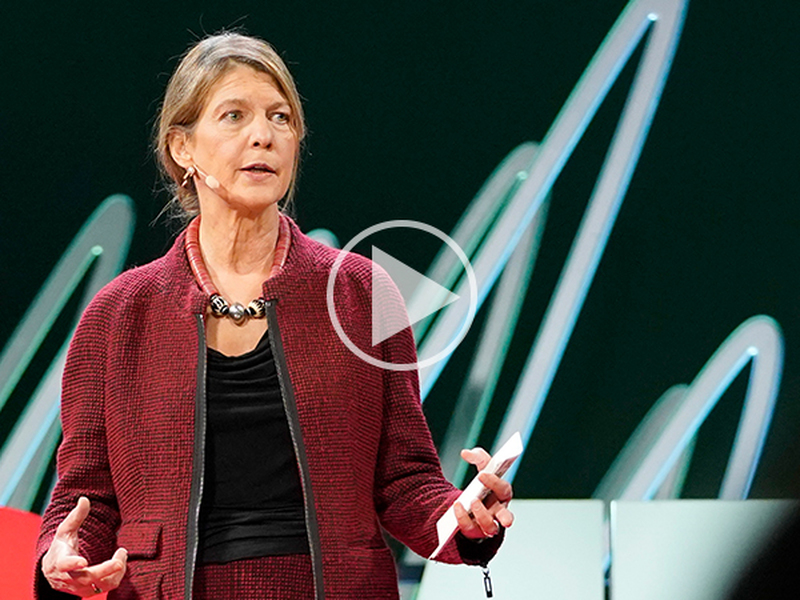
Why vaccine mistrust is a relationship problem
Creative Investigator
Heidi Larson
Vaccine Trust Anthropologist
Watch Now
Heidi Larson, Vaccine Trust Anthropologist, studies rumors. With today’s technology, information is at our fingertips; at the same time, misinformation spreads like wildfire. While working across the globe on global Polio eradication, Heidi noticed the consequential impact of vaccine distrust and medical rumors. In response, she created the Vaccine Confidence Project, an interdisciplinary, global initiative that studies rumor dissemination across countries, communities, and social networks to better understand medical misinformation. While vaccines are surrounded by “political and social turbulence,” Heidi argues that the problem is not misinformation, but rather the lack of relationships around trusted health information.
Heidi believes that we can inspire trust in medicine, particularly around vaccines, by building a health system that is empathetic and reciprocal. Watch Heidi’s Talk, “Why vaccine mistrust is a relationship problem“.

The profound difference between seeing and looking
Creative Investigator
Anupam B. Jena
Creative Investigator
Watch Now
Some say ‘seeing is believing’. Yet, Creative Investigator Anupam B. Jenaargues that “seeing is not the same thing as looking”. Anupam believes that health care insights exist all around us, but we miss them because we are not trained to ask the correct questions. Why are there more fatalities on marathon days? Are kids born in August more likely to be diagnosed with ADHD? Do people drive faster after a Fast and Furious movie comes out?By asking creative questions about health, science, and economics on a broad scale, we can observe “natural experiments” that occur in plain sight. If those “natural experiments,” are measured and analyzed, they reveal insights that could guide systems level innovation across healthcare.
Learn how to unlock the “natural experiments” that exist in the world around you by watching Anupam’s TEDMED 2020 Talk, “The profound difference between seeing and looking“.
Excited to share that both Heidi and Anupam will be part of the TED Radio Hour’snewest episode which airs tomorrow, Friday, April 10th. Connect with us on LinkedIn, Twitter, Facebook, and Instagram for frequent updates on TEDMED’s community of thinkers and doers and how they are responding to COVID-19.
Best,
The TEDMED Team
