When Systems Shape What We Think Are Choices
We tend to treat health, behavior, and outcomes as personal decisions. Eat better. Stay safe. Try harder. Choose differently. But what if those “choices” are being shaped long before they happen?
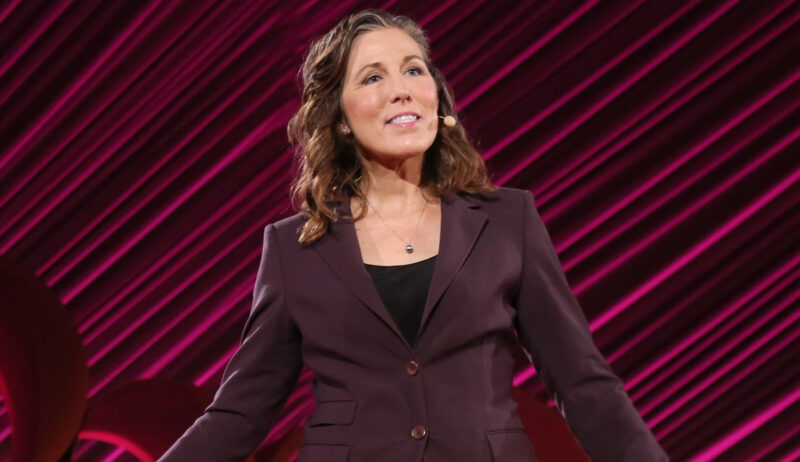
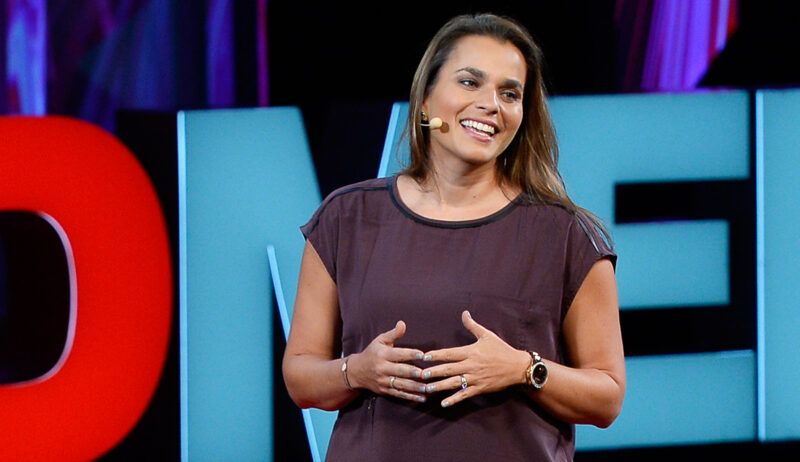
In this playlist, Laura Schmidt shows how food systems are engineered to drive overconsumption, while Wanda Irving reveals how maternal health outcomes are shaped by systemic failures, not individual decisions.
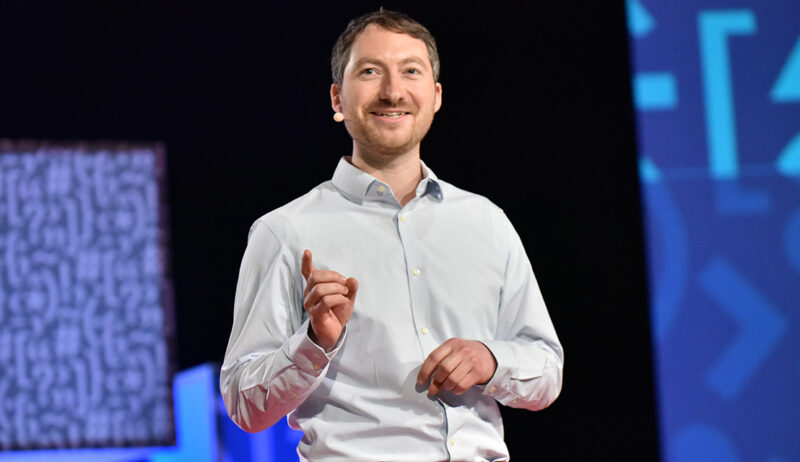
At the cognitive level, Johannes Haushofer explores how poverty reshapes attention and decision-making itself. In the digital world, Brian Primack shows how technology quietly structures behavior through exposure and design. Amy McGuire examines how trust, ethics, and history shape whether people engage with medicine at all. And Gary Slutkin reframes violence as something that spreads through communities like a contagion.
Together, these ideas point to a different question:
What if outcomes aren’t just chosen, but constructed?
Because once you see the system, you stop mistaking its effects for personal failure, and start asking what it would take to change the conditions instead.
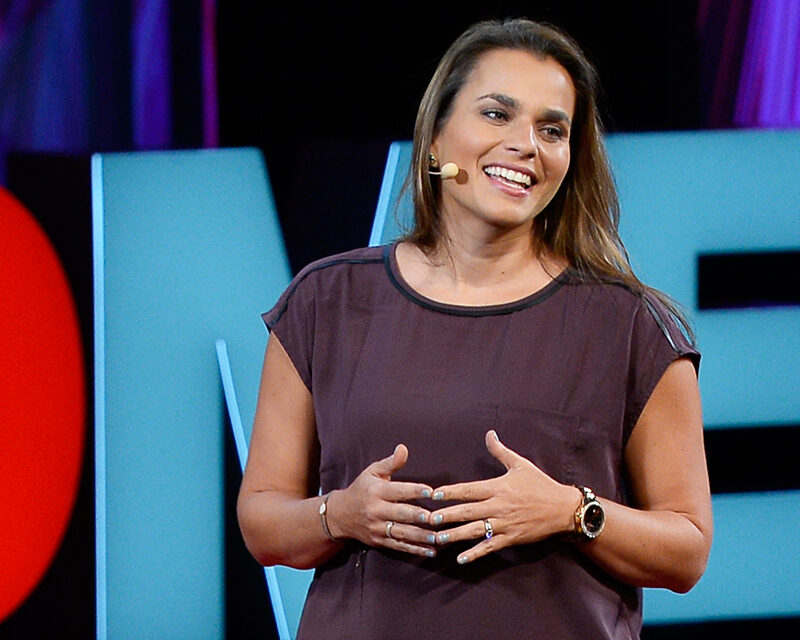
Why we can’t stop eating unhealthy foods
Laura Schmidt
Sugar scientist and UCSF professor of health policy Laura Schmidt questions whether consumers really do have freedom of choice – and what policymakers can learn from corporations in nudging consumers toward healthier behaviors.
More About This TalkAbout Laura Schmidt
About Laura
Dr. Laura Schmidt is a highly respected sociologist and public health expert dedicated to understanding how modern lifestyles and economic pressures are driving the rise of chronic disease around the world. She is a Professor of Health Policy and an Emeritus Professor of Psychiatry at the University of California San Francisco (UCSF). Laura’s goal is to bridge academic research with practical public policy. Her primary focus is on identifying and changing the “structural determinants” of health—meaning the ways that market forces and inequality push people toward unhealthy choices. This involves examining how the commercial sale and marketing of products like tobacco, sugar, and alcohol undermine the health of entire populations. For years, she has led SugarScience, a project that educates the public about the latest facts on sugar and its health consequences. More recently, Laura has become a leading voice in addiction policy. She authored the book, The Binge Clock, which investigates the alarming rise of heavy drinking among women and young adults, tying it directly to harmful industry practices. As a senior scientist at the UCSF Addiction and Policy Research Program, Laura works directly with decision-makers to push for scientifically backed social reforms. Her mission is to change the public environment to make healthy living easier and more affordable for every person.