What makes care work
Medicine often focuses on the intervention itself: the drug, device, protocol, or procedure. But healing is rarely shaped by the intervention alone. The conditions around care can determine whether a treatment works, who can access it, and what kind of experience it creates for the people it is meant to help.
This playlist explores care beyond the molecule. Roland Griffiths and Frederick Barrett examine how psilocybin’s effects are shaped by preparation, music, trust, and setting. Ted Kaptchuk reveals how ritual, expectation, consent, and the clinician-patient relationship can influence outcomes. Yoko Sen invites us to hear the hospital environment as an active force in healing or distress. And Peter Bach brings the question into the health system itself: even when an intervention holds promise, who gets access, who pays, and what structures determine whether care can become equitable?
Together, these talks ask us to look past the “thing” being delivered and toward the context that makes care meaningful, responsible, and possible.
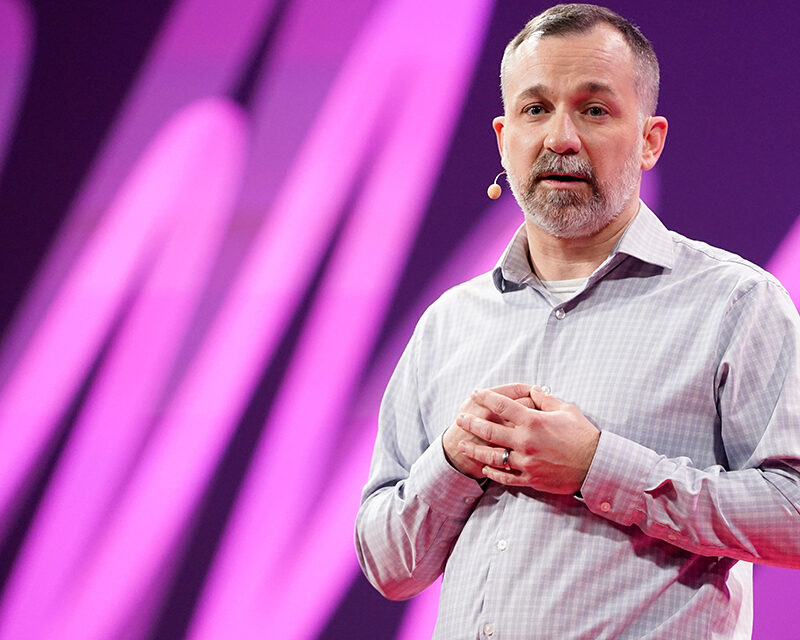
The science of psilocybin and its use to relieve suffering
Roland Griffiths
Leading psychopharmacologist Roland Griffiths discloses the ways that psychedelic drugs can be used to create spiritually meaningful, personally transformative experiences for all patients, especially the terminally ill.
More About This TalkAbout Roland Griffiths
About Roland:
Dr. Roland Griffiths (1940–2023) was one of the world’s most influential scientists, credited with leading the movement to restart rigorous research into psychedelic drugs after a 40-year ban in the United States. For over two decades, he was a Professor in the Departments of Psychiatry and Neurosciences at Johns Hopkins University School of Medicine. His work focused on the careful study of mood-altering compounds like psilocybin (the active ingredient in “magic mushrooms”). Roland developed a scientific approach to understand and measure the profound mystical experiences these substances could create in volunteers. Roland’s groundbreaking studies demonstrated the remarkable therapeutic potential of psilocybin, showing it could effectively treat difficult conditions like severe anxiety and depression in cancer patients, as well as nicotine addiction. His early success led to the launch of the Johns Hopkins Center for Psychedelic and Consciousness Research, which he founded and directed, securing millions of dollars in funding to establish the field. Through his dedication to rigorous, open science, Roland published more than 400 articles and fundamentally changed how the medical community views these compounds, paving the way for a new era of mental health treatment. His work continues to shape clinical practice and policy worldwide.